
 Pay My Bills
 Report a Problem
 Start / Stop/ Move Service
 Business
 Contact Us
 Careers
Introducing DemandLevel
The pricing structure powering our shared future.
In November, OUC will introduce a new pricing structure called DemandLevel that takes into account how and when you use the most energy, plus a set of tools to give you more control over your bill.
Why Is My Bill Changing?
DemandLevel helps manage “high‑demand moments”, or periods when lots of electricity is being used at the same time. The new pricing structure is intended to educate and help customers stagger their energy use, when possible, to reduce these peaks – and also support delaying future generation needs.
What Will Be Different?
Your monthly bill will now reflect two ways you use electricity:
- Consumption – Your total monthly energy use
We are reducing your consumption rate by 12.5% per kilowatt-hour (kWh), making the energy you use each month more affordable. - Peak Demand – Your highest 15‑minute usage in the previous month
At the same time, a new charge will be added that reflects your peak demand. This will appear on your bill as your DemandLevel charge (tier 1, 2 or 3). Your tier is determined by the highest level of energy (kilowatts) used in any 15-minute window during the preceding bill cycle.
We estimate that the lower electric rate will offset most of the new DemandLevel charge, depending on your usage patterns. Because your tier level resets each month, we encourage you to use OUC’s new tools to help track, stagger and lower your energy peak — and reach the lowest possible tier for your home or business.
Total Electric Charges =
Consumption Charge (kWh) + DemandLevel Charge (kW)
When Does It Start?
For most customers, this change begins with your November 2026 bill and will be based on your peak demand the prior month (October).* Visit the Service Rates & Costs page for full details on DemandLevel tiers.
*OUC Power Pass Customers: OUC Power Pass is a pre-pay program, which means your DemandLevel charge begins with your daily October usage. As with post-pay customers, your peak demand from the previous 31 days determines whether you fall into DemandLevel tier 1, 2 or 3. The charge will be divided into daily increments, with Tier 1 charges starting as low as 16¢ a day for Orlando customers, and 17¢ a day for St. Cloud.
What It Means for You
Beginning in August, you will receive a series of personalized videos showing:
- Your total monthly energy consumption (kWh)
- Your peak demand (kW) for the previous month
- Your DemandLevel tier for that billing cycle
- Tips to help manage your energy usage and potentially lower your demand
These videos will help you make informed decisions with the DemandLevel pricing structure in place.

St. Cloud: Watch in English | Ver en Español
Two Tools to Help You Understand Demand
You can see what’s really happening in your home or check how small changes — like running big appliances at different times — can lower your electric demand.
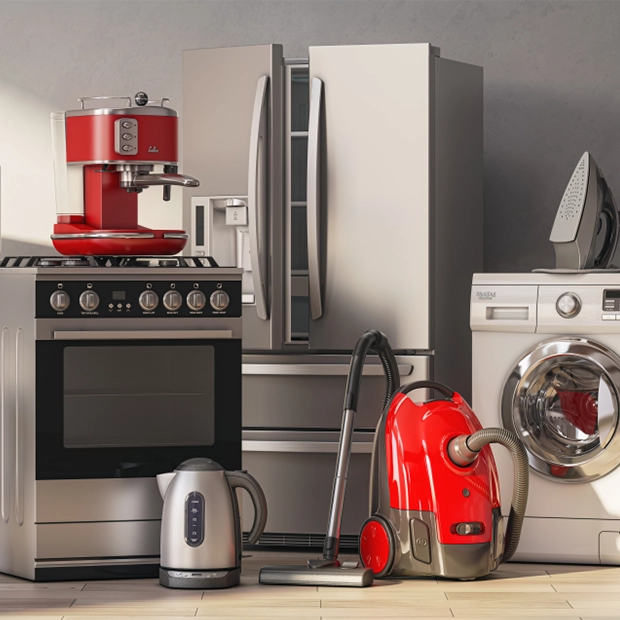
Use the Appliance Calculator to see how household demand adds up as you turn on appliances.
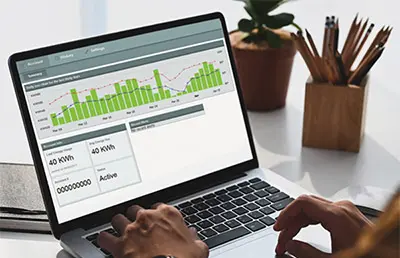
Access your Usage Dashboard to see your real energy use and spot your personal peak demand.
What You Can Do Today
So, what can you do now to help reduce your demand on the grid while saving money at the same time? Try some of these tips:
- Stagger Appliance Use: For example, wait to start the clothes dryer until the oven or pool pump is off.
- Program Your Thermostat: Minimize cooling costs when you’re away and ensure maximum comfort on your return.
- Get Energy-Efficient Upgrades: OUC has several rebates available to help offset the costs of upgrades.
- Schedule an Audit: An OUC conservation specialist will help you identify ways to reduce your consumption.
What is Electric Demand?
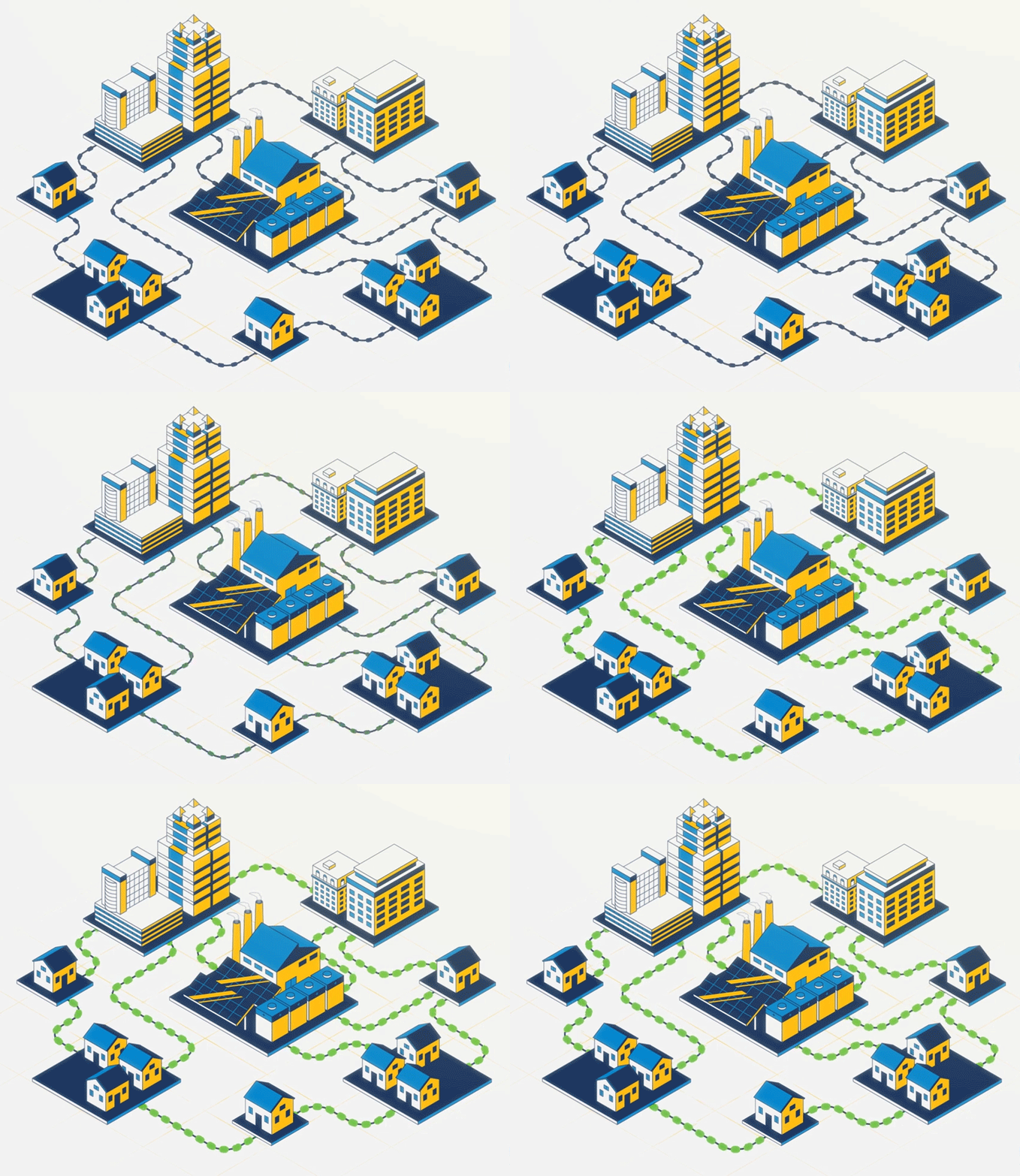
Electric demand is peak amount you are pulling from the electrical grid at one time. The more energy you use in a short period of time, such as when you run multiple appliances at the same time, the higher your electric demand will be.
Consumption is how much electricity you use over a period of time. This is what you’ve seen on your electric bill before DemandLevel.
When you use a lot of electricity at the same time, that increases demand on the entire grid and OUC has to generate additional energy by activating more power plants, purchasing power from the wholesale market, using stored energy, or through other means.
When we all reduce our demand, we put less strain on the system and create more savings that can be passed on to everyone.
Frequently Asked Questions
Why is OUC changing its pricing for electricity?
As customer energy use becomes more varied, with more people using electric vehicles, new technologies and energy intensive facilities, our current pricing no longer reflects how the system is actually used. Updating our approach helps keep things fair, reliable and ready for the future.
Why is OUC trying to reduce demand?
By reducing demand spikes across our system, PeakSHIFT supports delaying future generation needs, helping keep costs down for all.
What is demand?
The amount of electricity you use at one time, such as when several major appliances run at once. Your DemandLevel tier is based on your peak demand, the highest amount of electricity used during any single 15-minute period in the previous month.
What is the difference between consumption and demand?
Demand is the peak amount you are pulling from the electrical grid at one time. Everything that draws electricity adds to your demand. Consumption is how much electricity you use over a period of time. Think of it like driving a car. Consumption is your total mileage over the month, adding up with every trip. Demand is your speed, which changes from moment to moment depending on how hard you press the accelerator.
What is the best way to reduce peak demand?
Avoid running major appliances at once. Spread out, or “stagger,” activities like laundry, cooking and dishwashing, especially when the A/C is working hard, to help keep your demand lower.
How can you track demand?
You can see details on your demand – and consumption – in the Usage Dashboard in your myOUC account. The Appliance Calculator helps you estimate how much power common appliances draw, and how they contribute to your overall electric demand.
Is my DemandLevel tier permanent?
No. Your peak demand resets each billing cycle, so your tier can change monthly.
How does DemandLevel impact OUC Power Pass customers?
Your peak demand for the previous month determines your DemandLevel tier (1, 2 or 3). But you will have a daily charge that will be calculated by taking the standard tier and dividing it by 30.4. Daily DemandLevel charges start at 16¢ in Orlando and 17¢ in St. Cloud.
Stay Involved. Stay Informed.
Join our community education sessions and discover how DemandLevel pricing works and what it means for you.
Related Content

Savings Tips
Find out how energy efficient your home or business is and the improvements you can make to lower your bill.

What is Peak Demand?
Learn more about peak demand and how it affects you.
My Usage Dashboard
Monitor your daily and hourly energy and water consumption with OUC’s Usage Dashboard. Set up alerts and view your usage trends.

Conservation Audits
A free energy and/or water assessment from an OUC conservation specialist can help you identify ways to lower your bills.

Explore OUC Rebates
Get money back on your utility bill for making high-efficiency upgrades to your home or business.